Many of us could not imagine Christmas without food, presents, and song. However, when Charles Dickens wrote A Christmas Carol, these were all losing popularity. Here is a list of all of the Christmas festivities that he single-handedly revived.
By Jayne Turner – Staff Writer
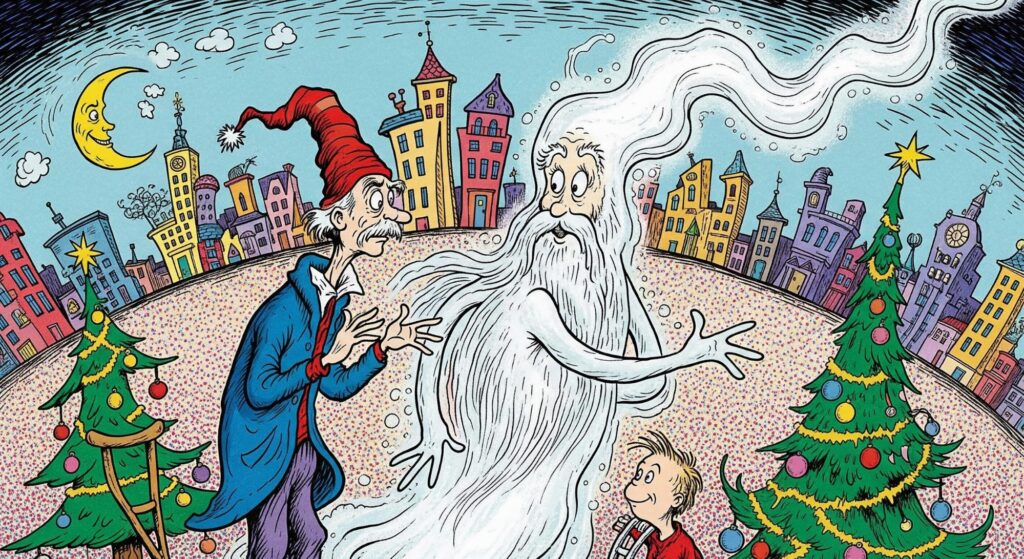
Ebenezer Scrooge is a grumpy and selfish man. An unnecessarily cruel boss who hates Christmas. This Christmas, the Ghosts of Christmas Past, Present, and Future visit Scrooge, showing him the reasons why he is so bitter, the harm it causes, and what will happen if he continues this path. After these haunting visits, Scrooge wakes up ready to change. He becomes kind and generous, socially equitable, and finds new meaning to life. So, how did this story shape the Christmas that we celebrate today?
Celebrating Christmas
At the time that Charles Dickens wrote A Christmas Carol, celebrating Christmas was actually on the decline. Religious purists viewed the holiday as decadent and pagan, leading to fewer widespread celebrations.
Decline was also due to the Industrial Revolution, which left people with little time to celebrate due to harsh work conditions.
However, after the merry depiction of community and gifts depicted in A Christmas Carol, many people began celebrating again. Inviting relatives to come indulge in tidings and good cheer.
Also read about Dr Suess’s new book from the archives here.
Caroling
The titular activity, Christmas caroling. In the book, Dickens included carolers as a part of typical Christmas celebrations. Even though Scrooge isn’t fond of the carolers, their presence made them seem like a normal part of the holiday season.
Christmas caroling doesn’t have to evoke social anxiety. You can just as easily throw a Christmas caroling party with your musical friends! Make sure to pick well-known songs that are relatively easy to sing. Think, Jingle Bells and Rudolph.
Paid Christmas Vacation
Scrooge was a terrible boss. His clerk, Bob Cratchit, is underpaid and overworked. At the end of the story, he resolves to treat Bob better, and many bosses followed suit. The beginning of the Industrial Revolution came with unfair conditions, including working over the holidays.
We can thank the lesson that Scrooge learned for our time off on Christmas! Even now, it can be hard to find a job with good vacation policies. This employee-approved list details some of the best!
Also read: How to Succeed in Online Classes
Gift Giving
Scrooge’s initial stinginess turned into profound generosity after having his mind changed by the ghosts that visit him. He sends a huge turkey to the poor family in his town and gives his clerk a raise. In addition, he devotes his time to Tiny Tim, becoming a father figure.
In A Christmas Carol, we are taught that love, time spent, and generosity are the greatest gifts! Maybe this is why charity donations boom around the holidays. The “spirit of giving” was literal for Scrooge, but we feel it still.
Christmas charities often focus on organizing toys, meals, and support for underprivileged individuals. Some examples are Toys for Tots, Operation Santa Claus, and Angel Tree.
An Extravagant Feast
In A Christmas Carol, a grand feast was a final gesture of Scrooge’s transformation. Humble ingredients, like plums and goose, turned the Cratchits’ holiday meal into something spectacular!
Christmas feasts became a phenomenon: in How the Grinch Stole Christmas, Christmas Vacation, and Home Alone 2, it is hard to find a Christmas movie without a grand meal!
The pudding and roast bird that was served at their table is a common choice to serve today. Christmas dinners often include pies, turkey, potatoes, bread, and eggnog.
—
Author: Jayne Turner is a freelance writer from Orange, California. She has a bachelor’s degree in Neuroscience with an emphasis on language and cognition. She has ten years of musical theatre experience and a lifelong love of reading. Utterly excited by the brain, she brings a fresh Gen Z perspective to the topics that intrigue us most.