Direct Answer
To improve your car trade-in value in Washington, clean and inspect the vehicle, organize maintenance records, research realistic local trade values, gather multiple offers, and compare the full after-tax transaction. Condition, mileage, service history, regional demand, loan payoff, and Washington’s trade-in tax treatment can all affect the result.
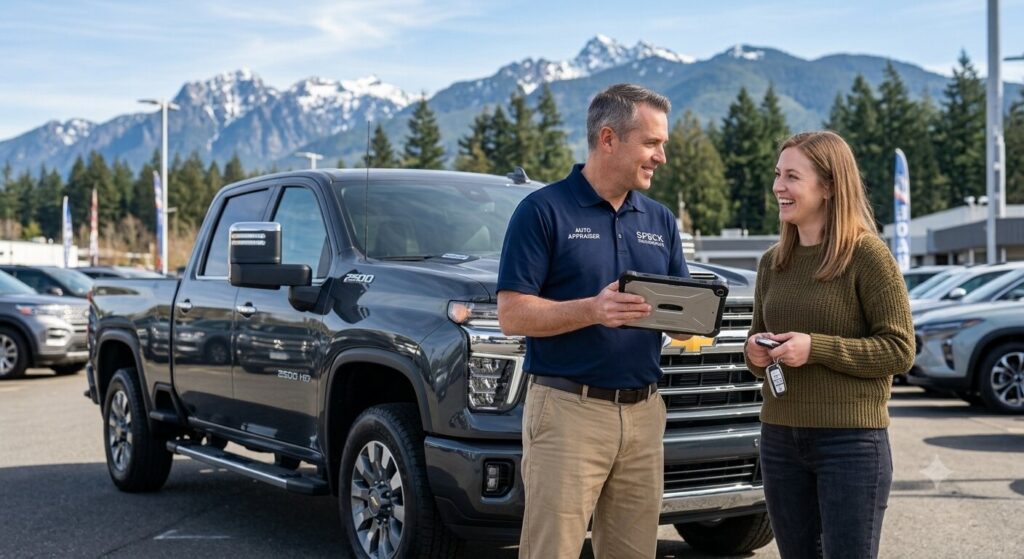
A Practical Reconditioning Triage
Preparation should improve confidence without consuming the equity you hope to gain. Divide every flaw into three groups: inexpensive presentation fixes, safety or warning-light concerns, and major repairs a dealership can handle more efficiently.
Spend where condition becomes visible
Cleaning glass, wheels, trim, carpets, and storage areas gives an appraiser a clear view of the vehicle. Replace bulbs, top off fluids, repair a modest windshield chip, and inflate matching tires correctly. Skip speculative powertrain work unless a written estimate shows a clear return.
Run a final walk-around
Photograph every side in daylight, remove personal property, confirm both keys work, and test lights, windows, climate controls, cameras, and infotainment. This checklist makes the car trade-in value in Washington easier to defend because the vehicle arrives ready for an orderly inspection.
Why This Matters for Washington Drivers
Pacific Northwest vehicles face damp winters, mountain-road treatment, and dusty agricultural routes. Local demand also differs between Seattle-area commuters, Tri-Cities and Yakima truck buyers, and drivers who need all-wheel drive for winter travel.
Washington’s trade-in sales-tax treatment can make every additional dollar of allowance more valuable inside a replacement-vehicle purchase. Drivers should compare net cost, not only the headline offer. A realistic car trade-in value in Washington must reflect both regional demand and the complete transaction.
Strategic Preparation and Vehicle Reconditioning
Thorough Interior and Exterior Detailing
A clean vehicle gives an appraiser a better first impression and makes its condition easier to inspect.
- Remove personal belongings, trash, and loose charging cables.
- Vacuum carpets, seams, cargo areas, and beneath the seats.
- Wash the exterior, wheels, and plastic trim.
- Clean interior and exterior glass.
Addressing Small Mechanical Flaws
Replace inexpensive bulbs, correct fluid levels, repair minor glass chips, and inflate tires. Major repairs may cost a retail customer more than the value they return because dealerships have internal parts and labor resources.
The Power of Maintenance History
Chronological service records reduce uncertainty. Evidence of oil changes, brakes, fluids, tires, and professional repairs can help an appraiser estimate resale readiness.
Researching and Verifying Real Market Value
Generating Trusted Online Valuations
Use exact vehicle details and realistic condition grades with trusted automotive tools. Compare trade-in values rather than retail asking prices, then validate the range with written offers.
Tracking Regional Supply and Demand Factors
Hybrid commuters, all-wheel-drive crossovers, and four-wheel-drive pickups can perform differently across Washington markets and seasons. Local supply and buyer demand matter.
Common Mistakes to Avoid
Do not hide mechanical problems or body repairs. History reports and diagnostic scans can expose them. Also avoid judging the deal only by cash offer or monthly payment; include the tax credit, payoff, fees, price, interest rate, and term.
For detailed instructions on protecting yourself from fraudulent private transactions, you can review consumer alert guidelines published by the Federal Trade Commission.
Expert Tips for Trade-In Success
- Bring all key fobs: replacement smart keys can be expensive.
- Remove custom accessories: factory equipment often has broader resale appeal.
- Keep registration and title information current: paperwork delays can weaken an otherwise simple transaction.
- Clear private data: reset contacts, addresses, garage codes, and paired devices.
Frequently Asked Questions
How does Washington’s trade-in sales-tax credit work?
An eligible trade allowance generally reduces the taxable balance of the replacement-vehicle purchase, so request a transaction worksheet showing the calculation.
Should I fix major mechanical issues first?
Usually not without comparing repair cost with the likely increase in allowance. Dealerships can often complete major work more efficiently.
Does a prior accident destroy trade value?
No. It can reduce value, but complete certified repair documentation helps an appraiser evaluate the vehicle fairly.
Can I trade a vehicle with an existing loan?
Yes. The dealership obtains a payoff from the lender and applies positive or negative equity to the transaction.
Final Thoughts
The strongest car trade-in value in Washington comes from preparation, documentation, realistic research, transparent disclosure, and comparison of complete offers. Those steps make the appraisal easier to verify and the replacement decision easier to understand.
Before you begin the trade-in process, taking a few minutes to explore our online resources or consulting with our auto finance department can help you see exactly how your trade-in equity impacts your upcoming monthly payments
Ready to find your next vehicle? Visit Speck Dealerships today — or browse our inventory online.
Related reading: Washington car-purchase checklist; Local dealership or Carvana guide.